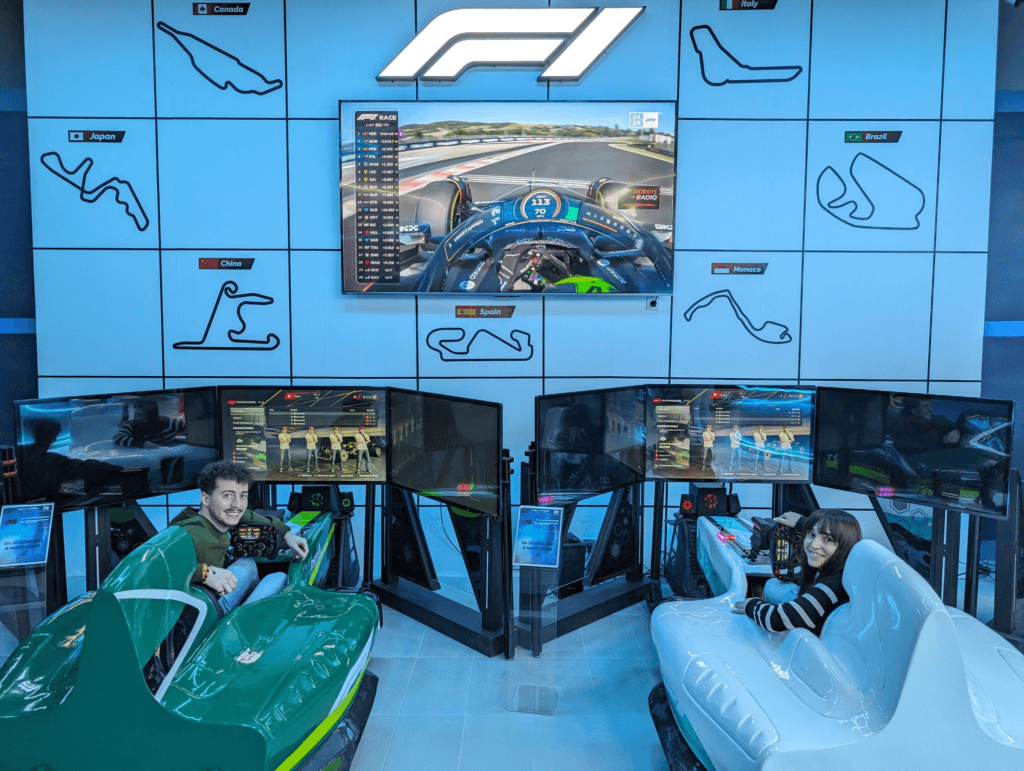
A Racing Dream Within Reach: A Beginner’s Guide to Racing Simulators
Someone once asked a question on Quora: “What does it feel like to drive an F1 car?” Most of the replies were surprisingly similar: “I’ve never had the chance.”
It’s both funny and a little bittersweet. For most people, motorsport feels distant and inaccessible. Yet professional racing drivers constantly describe the thrill of driving on a race track as one of the most exciting experiences of their lives.
So how can ordinary enthusiasts experience that feeling? One way is through racing games. But combining those games with a racing simulator setup takes the experience to a whole new level.
In our previous article, we introduced several popular racing games. That covered the software side of sim racing. Today, we focus on the hardware side — racing simulators.
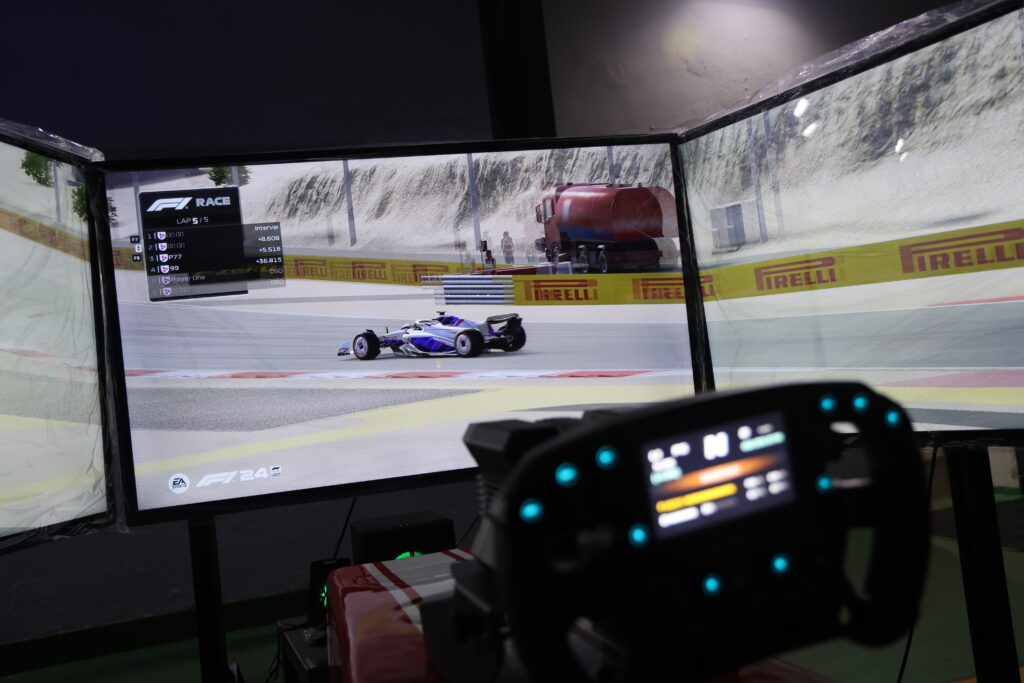
Why Racing Simulators Are Important for Both Fans and Professional Drivers
For everyday racing enthusiasts, a racing simulator brings the dream of motorsport within reach. It allows players to experience high-speed driving in a safe environment, learn real racing techniques, and explore famous tracks around the world without leaving home.
For professional drivers, simulator training is essential. Formula One teams rely on advanced simulators to collect data, improve vehicle development, and help drivers prepare for upcoming races. Drivers can also participate in professional online sim racing competitions.

What Is a Racing Simulator?
A racing simulator is a system designed to recreate the experience of driving a real race car. Compared with keyboards or controllers, a simulator provides far more realistic control and immersion.
A typical sim racing setup includes:
– Computer or gaming console
– Display (monitor or VR headset)
– Racing cockpit or frame
– Steering wheel
– Pedals
– Racing seat
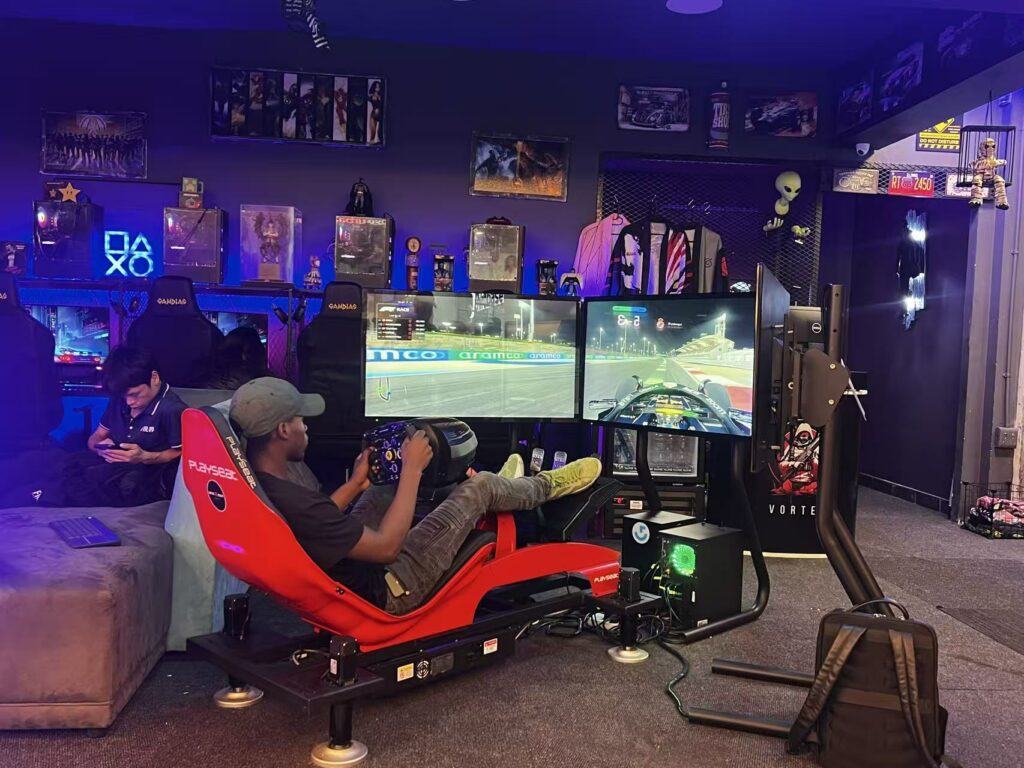
Main Components of a Racing Simulator
Computer: Determines graphics quality and simulator performance.
Display: Higher refresh rates provide smoother visuals and lower latency improves responsiveness.
Racing Cockpit: Supports the steering wheel, pedals, and seat while providing stability.
Steering Wheel and Pedals: A force feedback steering wheel is the most important component because it provides realistic driving feedback.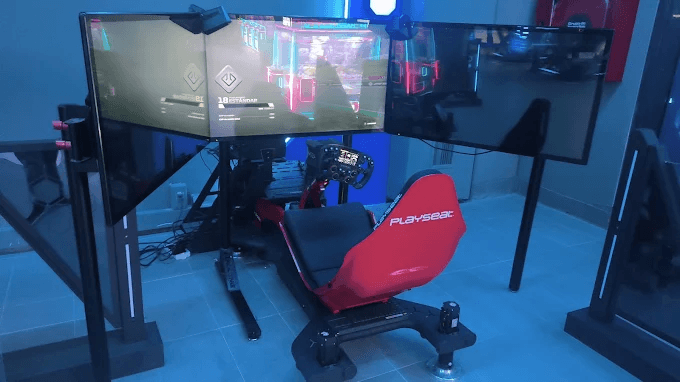
What Makes a Good Racing Simulator Setup?
- Match Your Needs and Budget
Sim racing setups vary widely. Choose equipment that fits your personal needs and budget. - Ergonomic and Adjustable Seating
A comfortable and adjustable seat allows drivers to maintain proper driving posture. - Proper Lumbar Support
Since simulator sessions may last a long time, adequate back support is essential. - Expandability
A good simulator should allow future upgrades such as better steering wheels, motion platforms, or additional monitors. - Safe and Stable Frame
The cockpit structure should be strong enough to withstand heavy steering forces. - Force Feedback Steering Wheel
A simulator should always include a force feedback steering wheel to replicate real driving sensations.
Sim Racing Is Growing Worldwide
Even when many real-world motorsport events paused in recent years, sim racing has continued to grow rapidly. More professional drivers and racing fans are joining online racing competitions and esports events.
Build Your Own Racing Simulator
In our next article, we will explain how to build your own racing simulator step by step while avoiding common mistakes and unnecessary costs.
If you are looking for a professional supplier to provide a complete commercial racing simulator solution, you are welcome to contact RICHER Technology. RICHER Technology specializes in commercial racing simulators and provides turnkey solutions for entertainment centers, racing clubs, and businesses.
Website: https://richersimulator.com/